SABINE HILLS, Art, History, Cooking Retreat
Every event we host is designed with intention, from the atmosphere we create to the way each session flows.

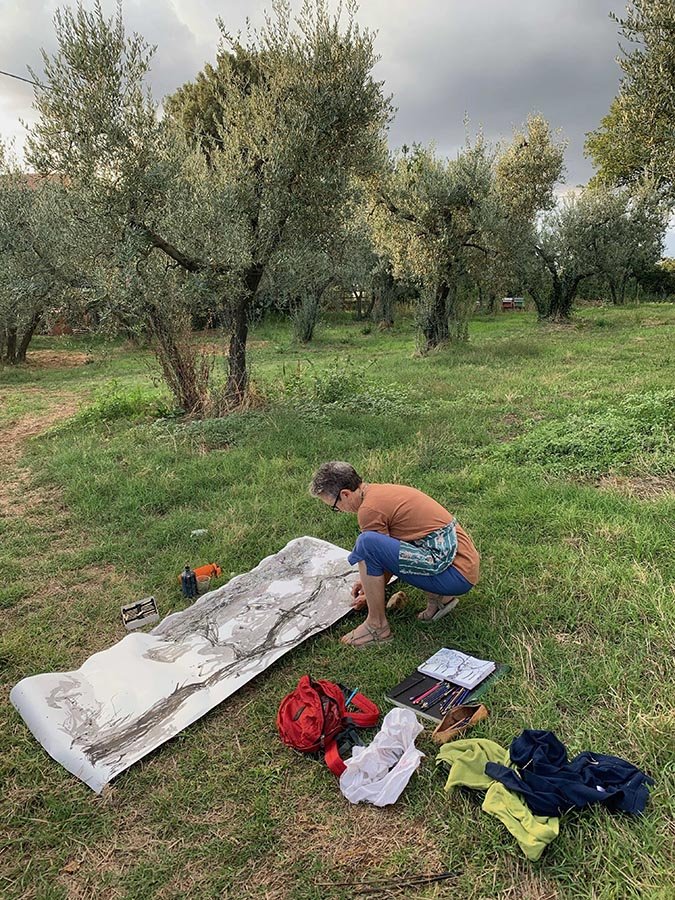
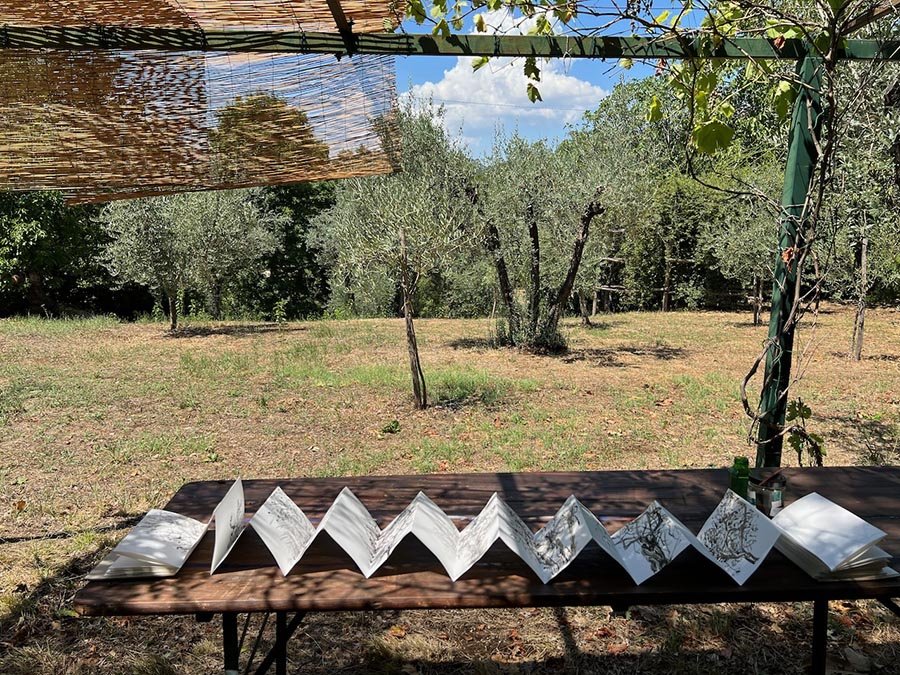
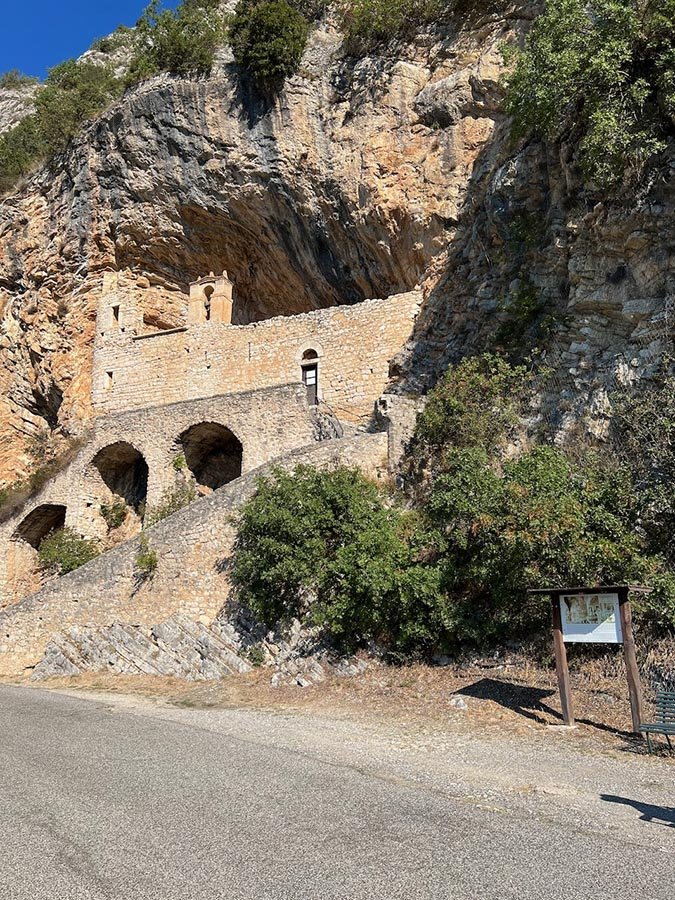
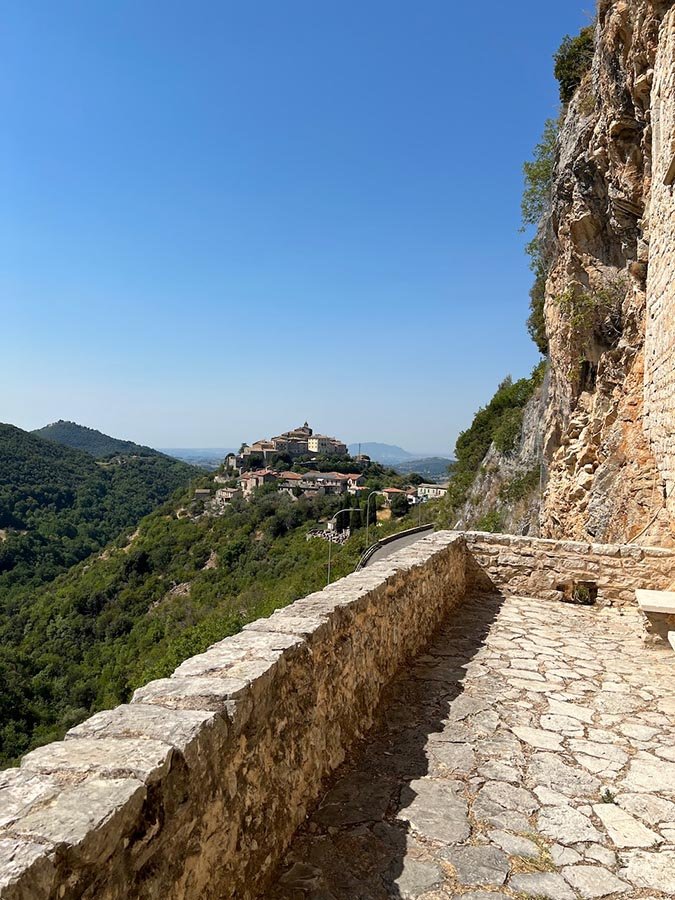
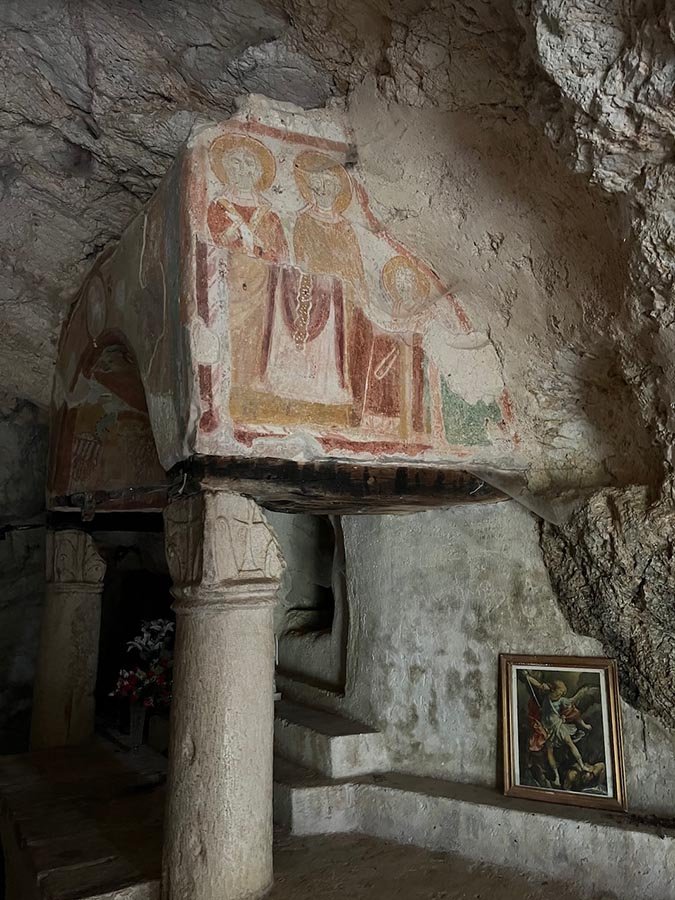
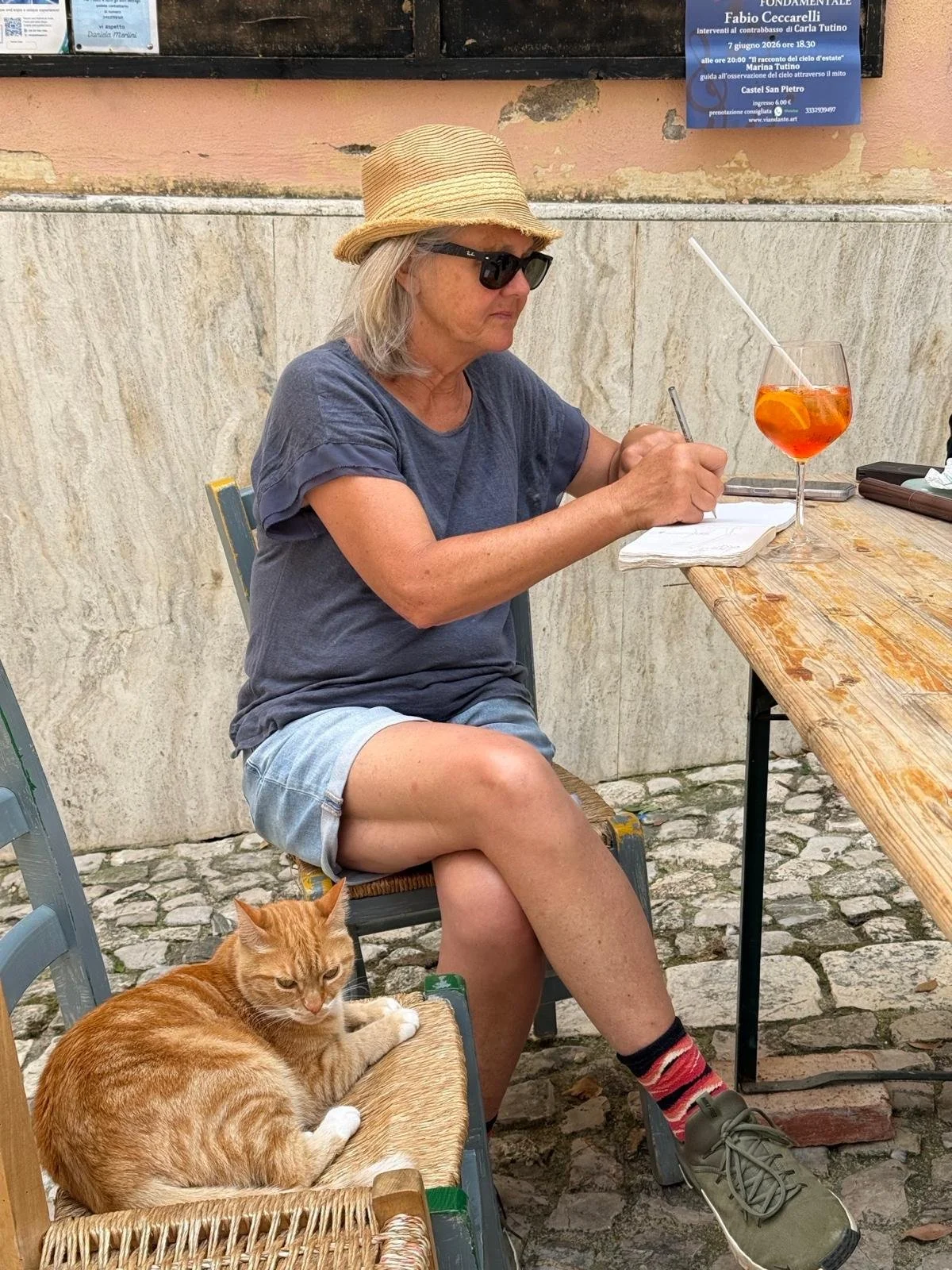
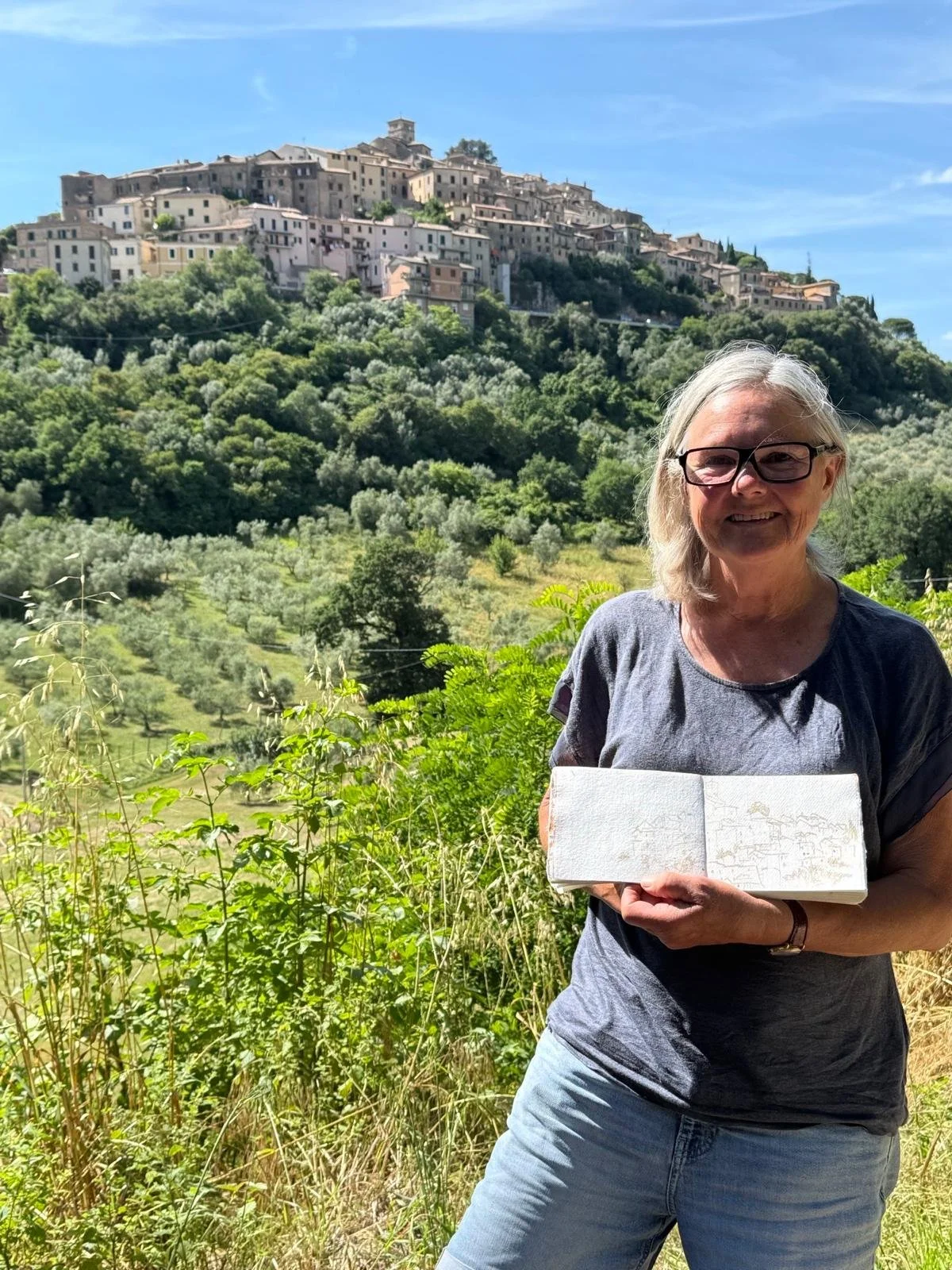
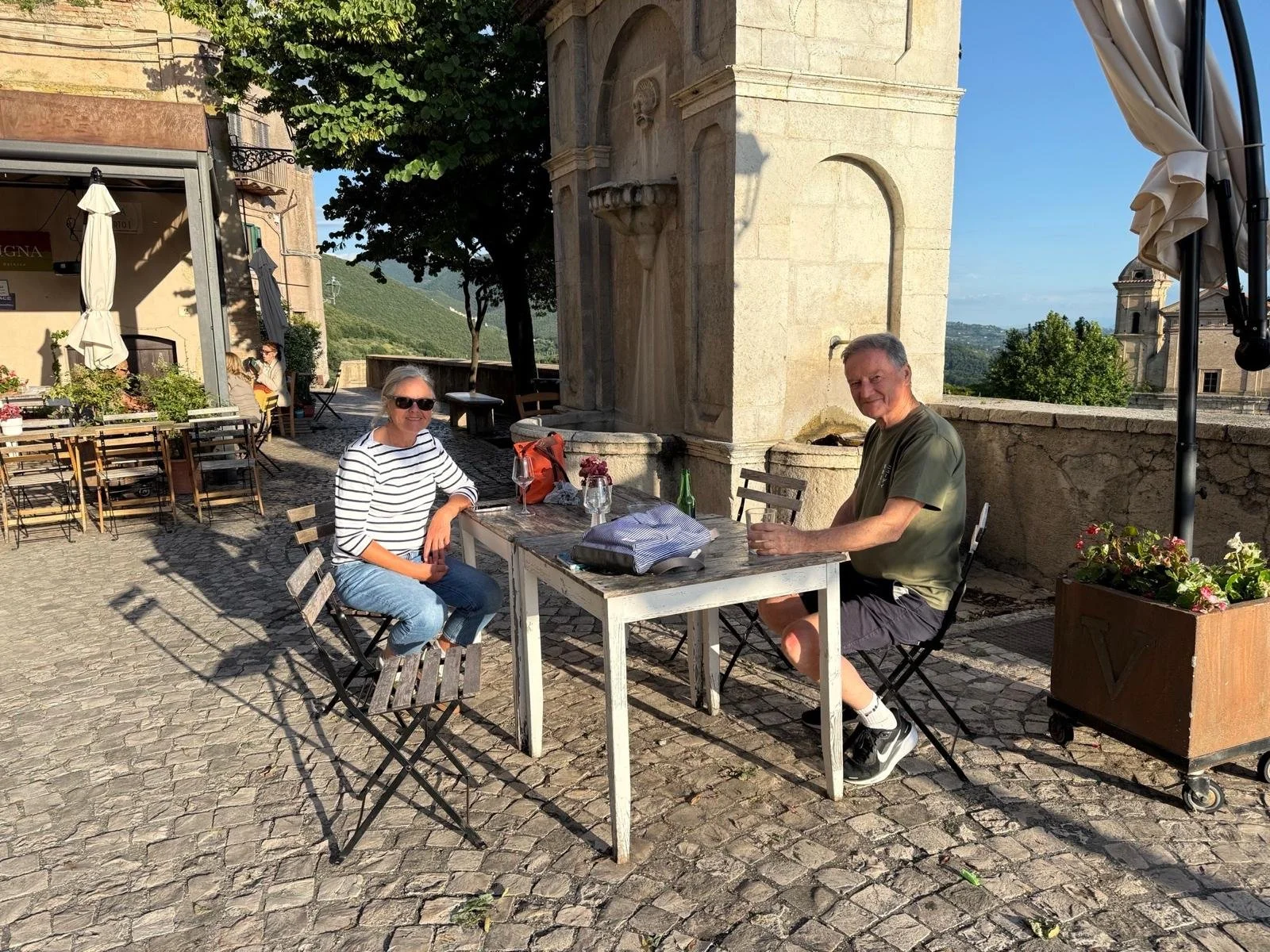
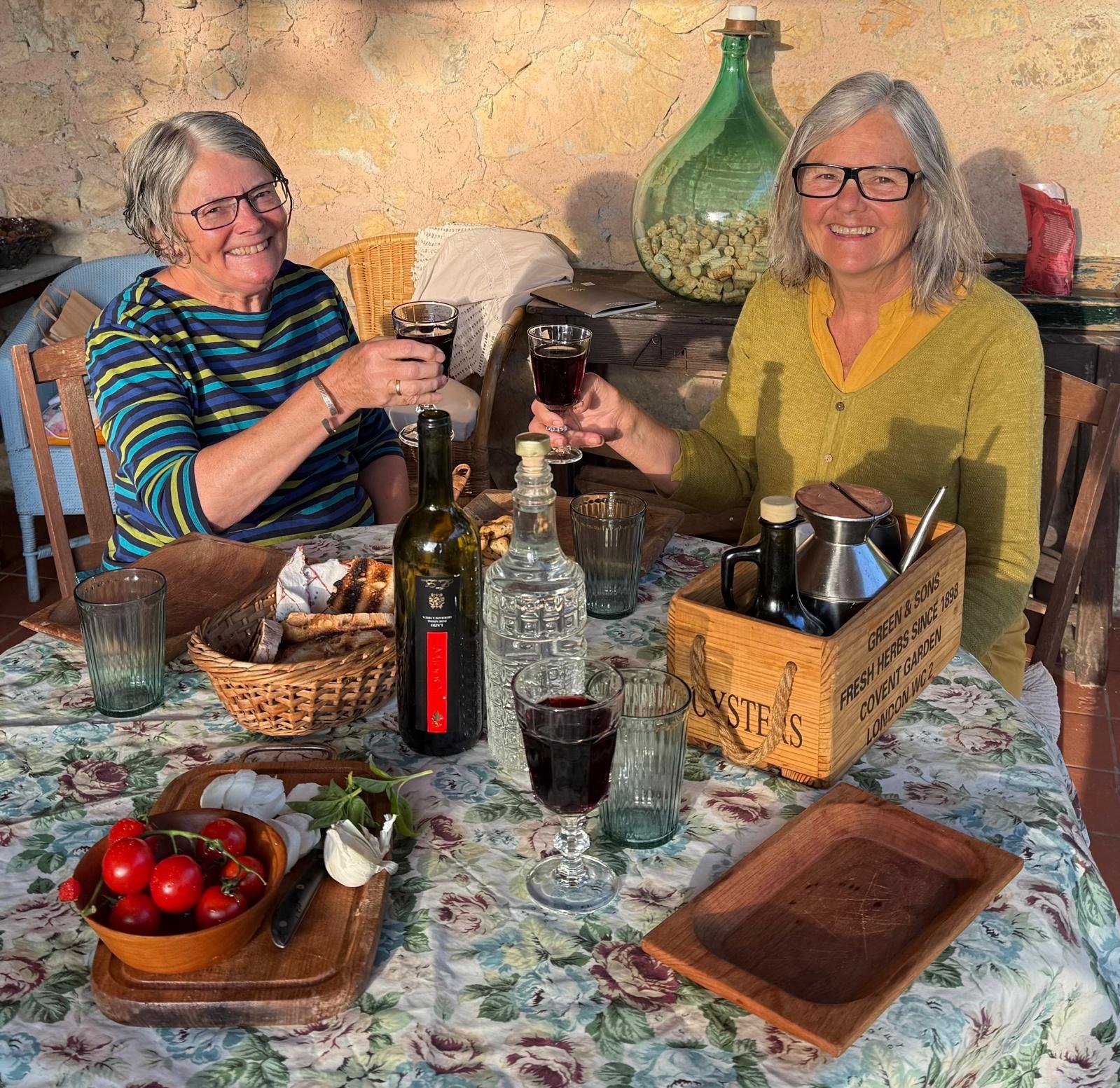
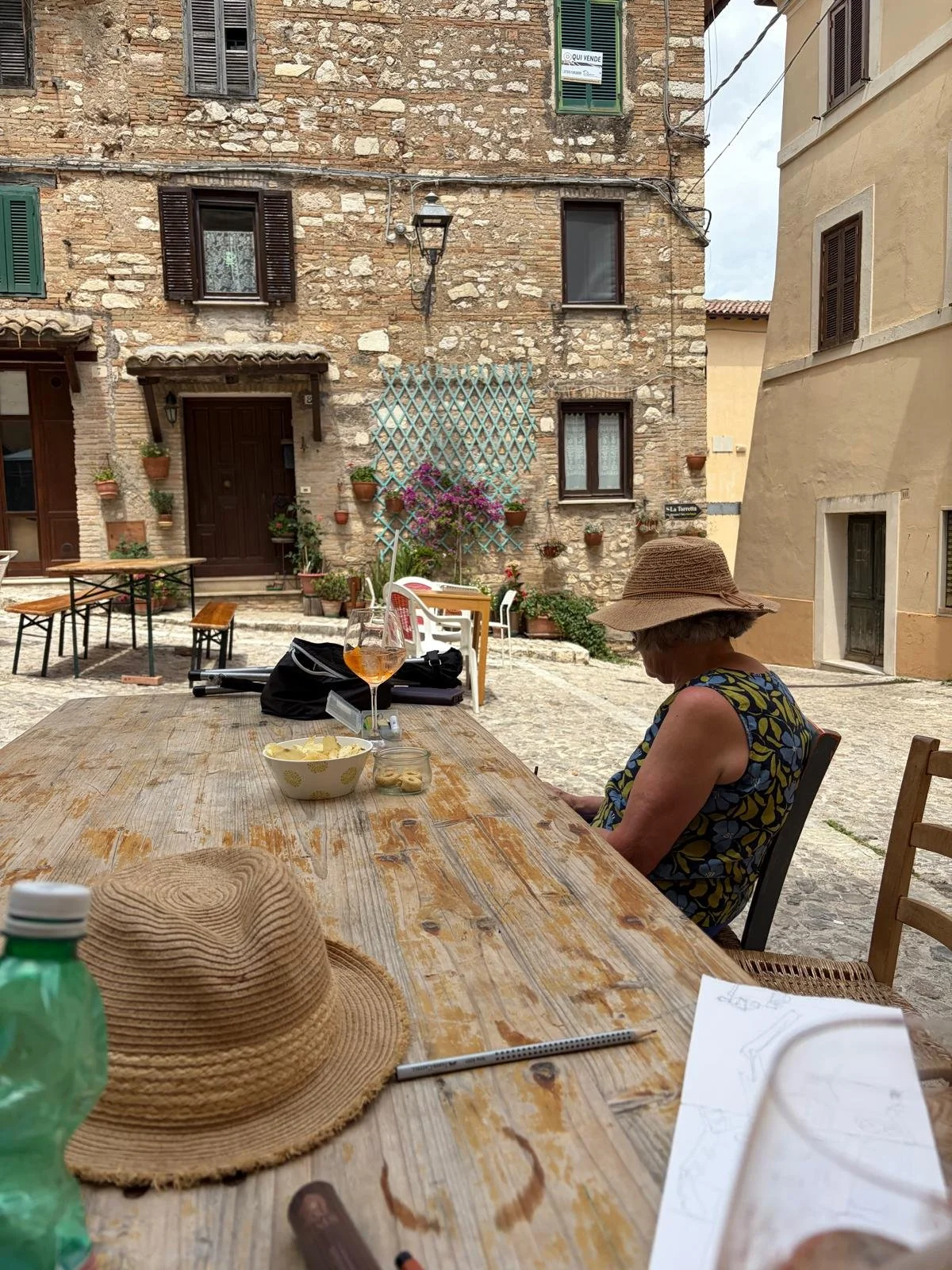
We run a residential experience that offers a combination of local art history, time to sketch or paint and preparation of local dishes to a small group or individuals. This normally takes place at the beginning of September when the weather is less hot. It is an immersive art and cultural experience for those who want to enjoy the benefits of the Sabine Hills, one hour north of Rome. We visit and enjoy local cafes in hilltop towns off the tourist trail, with visits to interesting frescoes.
During the four days (five nights) we also investigate the art history of the frescoes, with time to enjoy the experience and with an opportunity to learn the processes used to make frescoes with time to sketch and paint.
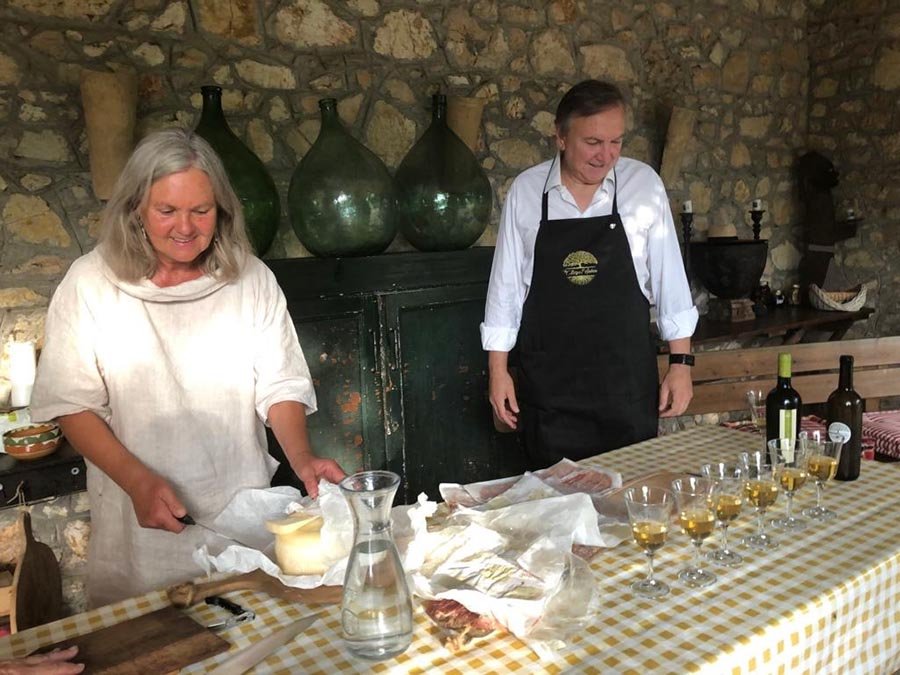
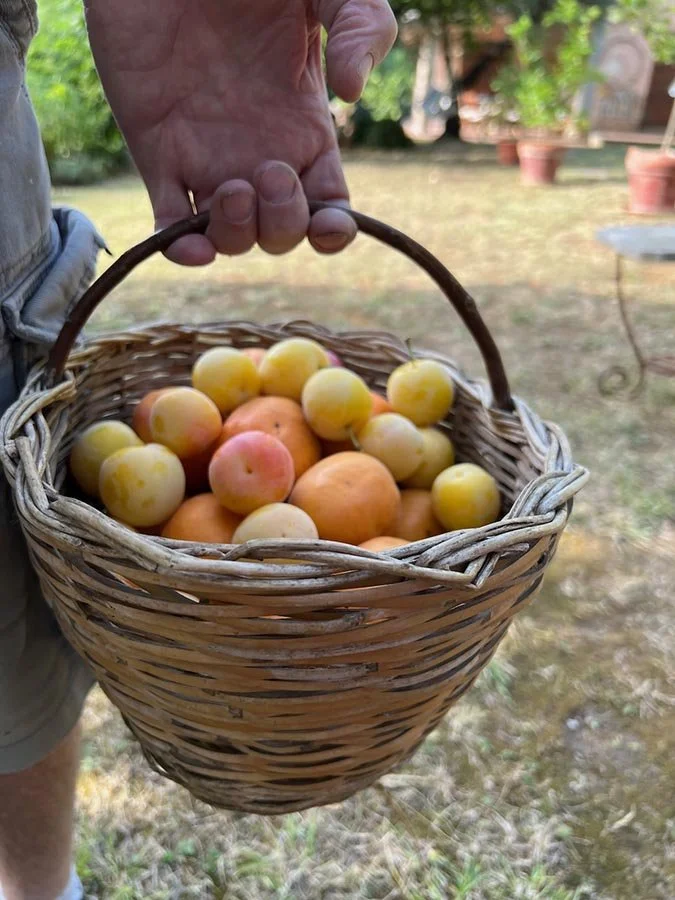
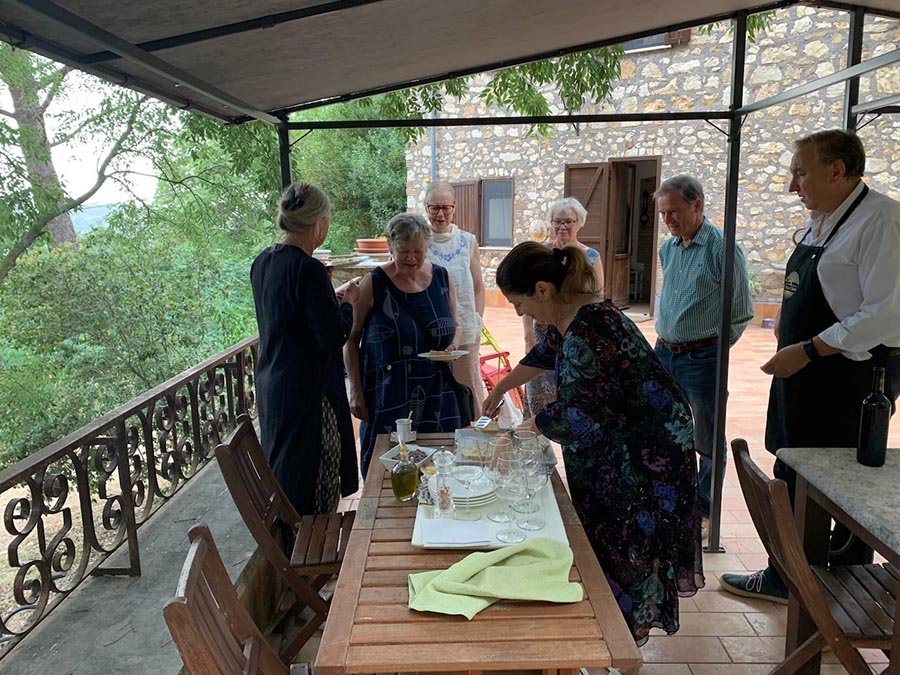
On two days we also offer lessons on cooking the local cuisine.
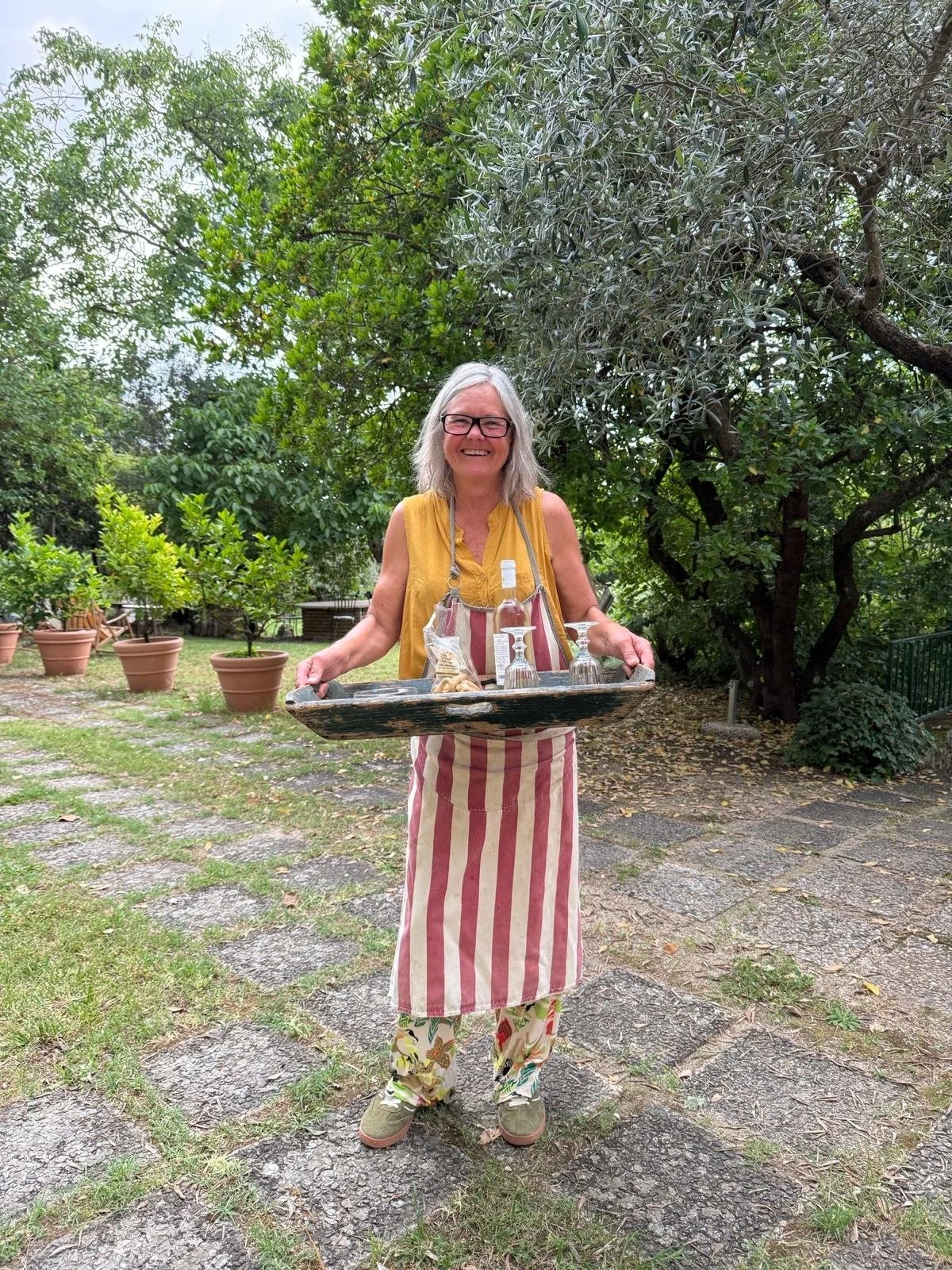
An Italian cook and swimming pool help to make the course a deeply relaxing retreat. A maximum of 6 people can comfortably stay at the house, however, 8 people can be accommodated with shared apartments, but separate rooms.
3-8 June 2027
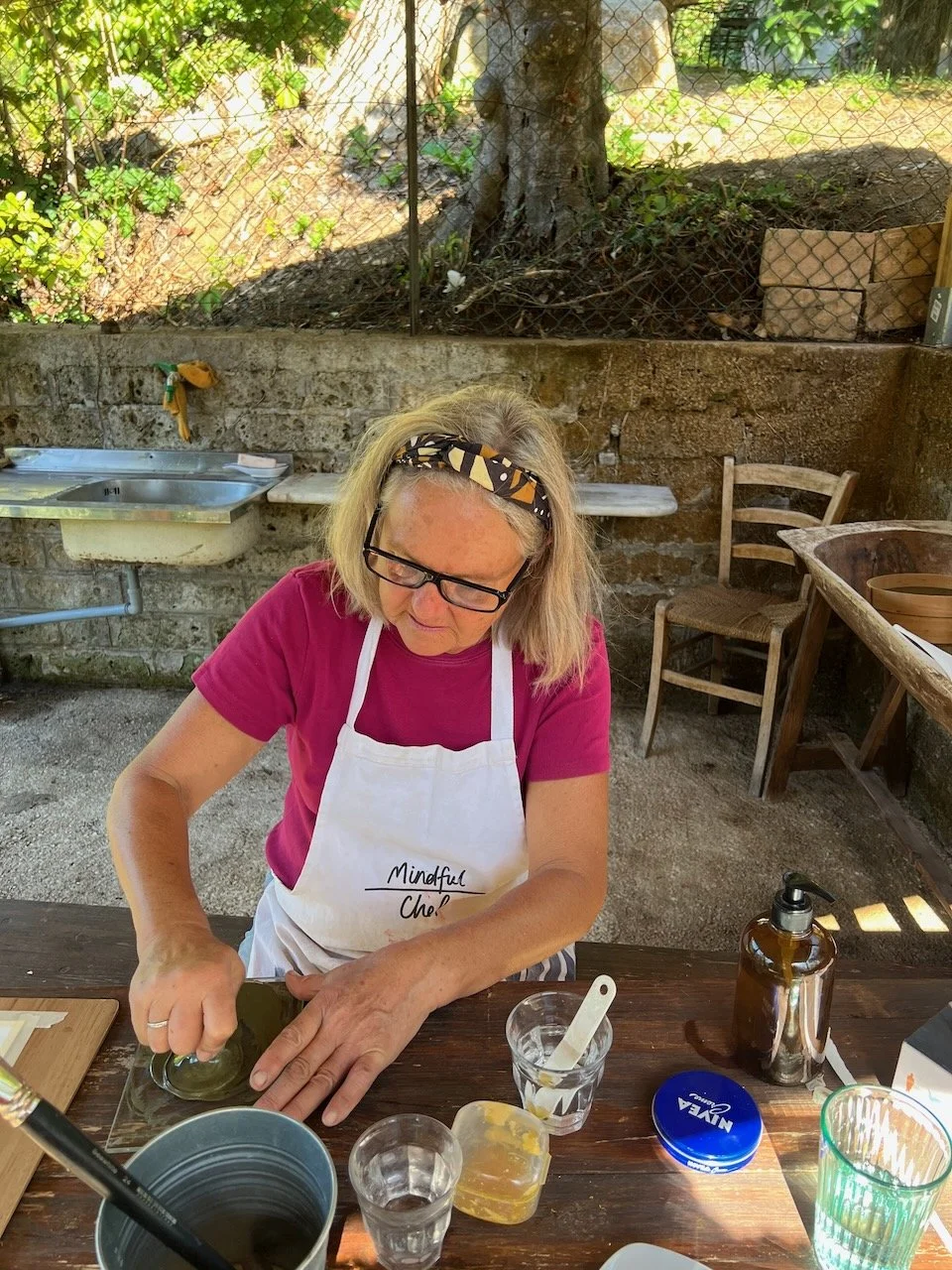
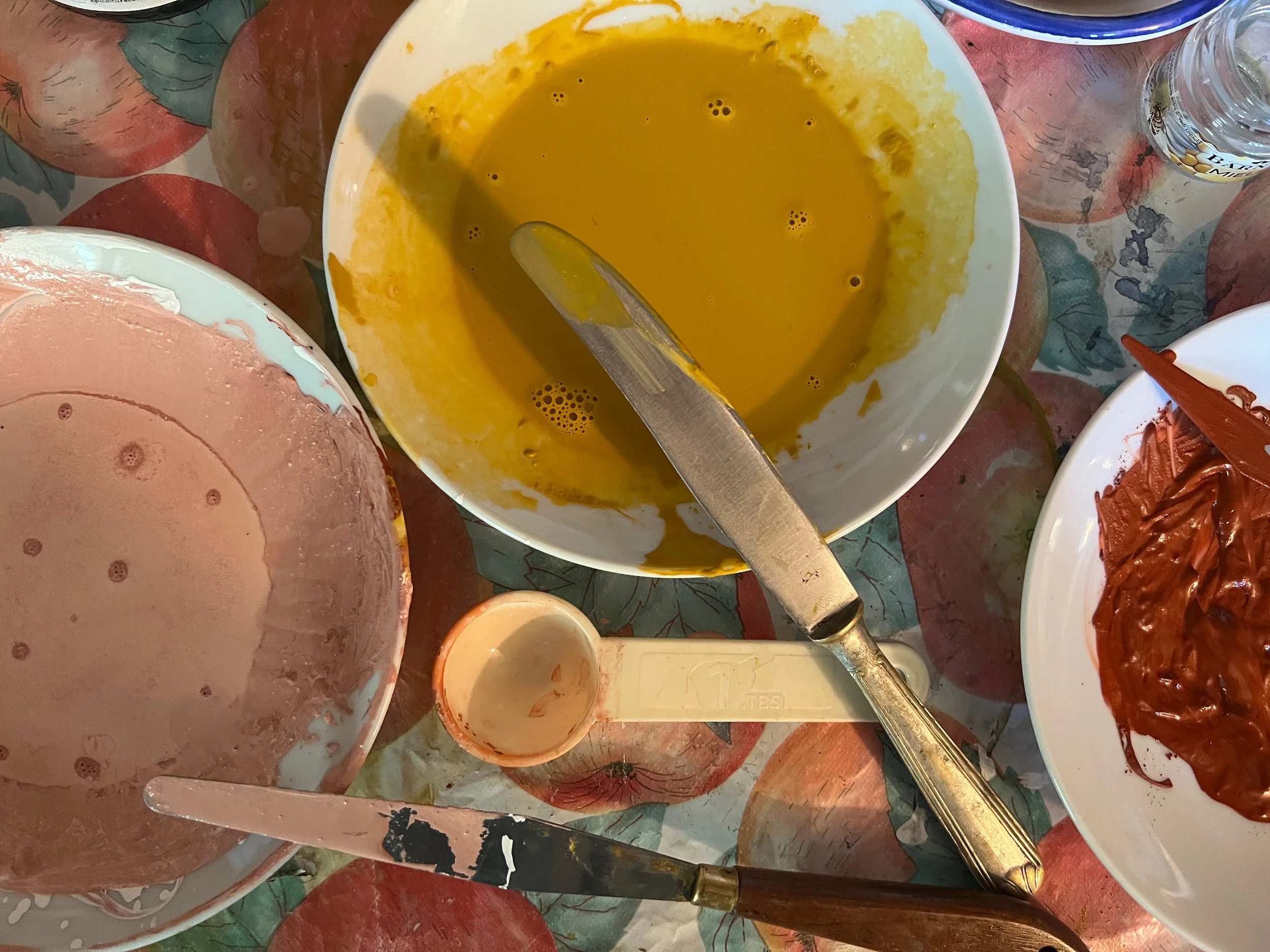
The week is facilitated by artist Charlotte Andrew whose own practice includes investigation of materials and processes used to make frescoes. The simple methods that she demonstrate in daily workshops, such as preparation of oak gall ink, gesso, and gentle earth colours, as well as how to enrich them through contrasting colours can be useful, not just for frescoes, but also when painting or drawing.
Charlotte’s Guidance
Finer details
-
5 nights accommodation. 5 breakfasts and 4 lunches and all evening meals.
Meals out in the local restaurant are not included in the price.
Transportation to and from sites for sketching, walks and observation.
Basic art materials and sketchbook.
Key point is that you enjoy what the region offers. You experience making local cuisine and take time to make art without the intensity of a master class.
-
Guests are welcome to arrange their own car rental or taxi from the airports and directions to the house will be provided.
Transportation is available to and from Poggio Mirteto, the local station, which has a direct link to Rome and to Fiumicino airport. Collection and drop off at the station can be arranged.
Transportation to and from Rome’s Fiumicino or Ciampino airports can be arranged and is included if the group is arriving and leaving together. PM arrival and AM departure.Due to room preparation please arrive on your first day in the afternoon and leave in the morning of your last day.
-
£1400 per person based on a shared apartment
Early bird price £1300 is available to those who book 6 months in advance of the course stating date.
A deposit of 30% is payable on confirmation of a booking and balance paid 6 months before start date. Deposit is non-refundable. (See Cancellation Policy).
Group discount available for 4 or more people from the same party.
There will be separate pricing arrangements on requests for guests choosing single occupancy of apartments.
-
For cancellations the deposit is non-refundable. The balance of the full cost is to be paid 6 months before the course start date and is non-refundable. If, however, there is space available we may be able to provide you with a place on the next available course.
Cancellation by our side:
We have the right to cancel a course, but we will make every effort to inform you at least four weeks prior.
If we cancel an art course you have registered for, you have the option to:
Receive a full refund of the course fee
Choose another available art course option
Please note that we are not liable for any additional expenses, including travel or accommodation costs, resulting from our course cancellation for any reason, including adverse weather conditions or natural disasters.